
An “Inadequate” CQC rating is one of the most difficult moments any care provider can face. It creates immediate pressure, as the published report highlights to regulators, families, and stakeholders that the service has not met expected standards.
The instinctive response is often reactive, teams extend their hours, documentation is urgently reviewed, and gaps are addressed at pace. While these efforts are well-intentioned, they can feel like stabilising a service under strain, rather than tackling the root causes in a structured and sustainable way.
However, it is important to recognise a fundamental reality: sustainable improvement cannot be achieved by relying on the same fragmented, paper-heavy systems that contributed to the initial shortcomings. Where governance processes depend on manual documentation and inconsistent practices, organisations are often left in a reactive, catch-up position.
In today’s regulatory landscape, progressing from a lower rating to “Outstanding” requires a fundamental reset -one that prioritises consistency, visibility, and robust oversight. In this context, a care quality improvement platform is no longer a discretionary enhancement; it becomes an essential component of effective, resilient operations.
Escaping the “Firefighting” Trap
In a service that’s struggling, the Manager is almost always a prisoner of the paperwork. They are possibly spending 90% of their day acting like a detective, hunting for a missed medication entry or a late repositioning check, and about 10% actually leading their team. It’s exhausting and a recipe for burnout. If you are constantly looking in the rear-view mirror at yesterday’s mistakes, you will fail to see the risks coming at you tomorrow.
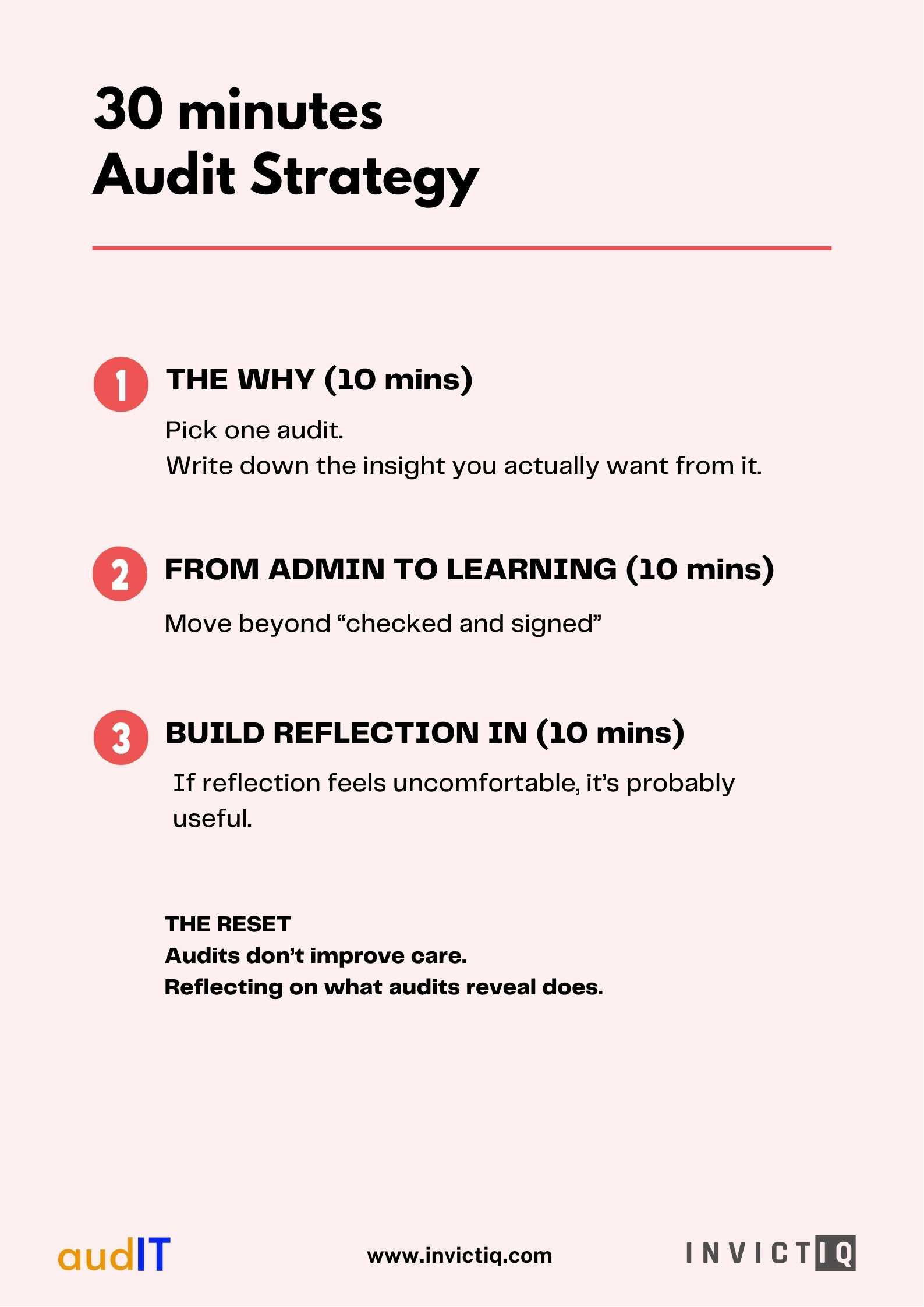
The turnaround starts when you automate the “boring” bits of compliance. When a digital system pings a notification for a missed check the second it happens, the Manager can stop being a clerk and go back to being a clinical lead. It shifts the culture from “Who messed up this form?” to “How do we actually make life better for Mrs Smith in Room 4?” This isn’t just about being tidy; it’s about proving to the CQC that you finally have a real-time grip on your risks -which, at its core, is what Regulation 17 is actually asking for.
The Evidence Gap: Beyond the “Snapshot”
The CQC’s Single Assessment Framework has changed the game. Inspectors aren’t just looking at what’s happening on the day they walk through the door anymore. They want a narrative. They want to see a continuous, digital paper trail of safety that didn’t just start the week before the inspection.
Paper systems are retrospective by their very nature. By the time you spot a trend in a physical folder, the incident has already happened. A proper Care quality improvement platform changes that story. It brings your audits, actions, and insights into one central, real-time view, highlighting risks before they escalate into compliance concerns. Whether it is recurring gaps in documentation, missed actions, or patterns emerging across sites, the system enables teams to intervene early rather than react late. Crucially, it creates a single source of truth that is visible to everyone – from frontline staff to senior leadership thereby ensuring consistency, accountability, and informed decision-making across the organisation.
Predicting “Outstanding” Outcomes
To hit that “Outstanding” tier, you have to prove you are exceptionally well-led. The CQC wants to see that you don’t just fix problems; they want to see that you anticipate them.
This is where the data really talks. Instead of just telling an inspector, “We think we have improved,” you can pull up a dashboard and show them the “why”: Rather than relying on narrative alone, you can present clear, structured evidence of improvement. With real-time dashboards and audit trails, you can demonstrate not just what has improved, but why – for example: identifying recurring gaps through audits, implementing targeted actions, and tracking measurable progress over time. This level of visibility and accountability reflects proactive governance. It shows inspectors that improvements are not reactive or one-off, but driven by continuous oversight and a genuine commitment to raising standards across the service.
Giving Time Back to the People
Team members in a failing home are usually demoralised and looking for the exit. They feel watched, judged, and buried under a mountain of admin tasks in addition to delivering core responsibilities. Good technology should lift that weight, not add to it. By ditching the “duplicate entry” of manual records, you give team members back their most precious commodity: time.
Moving from “Inadequate” to “Outstanding” is a marathon, not a sprint. It takes a massive commitment to being transparent and a refusal to settle for “good enough.” By anchoring your recovery in real-time data and using the right tools to provide a “single source of truth,” you aren’t just passing an inspection, you are building a service that truly deserves to be called world-class.