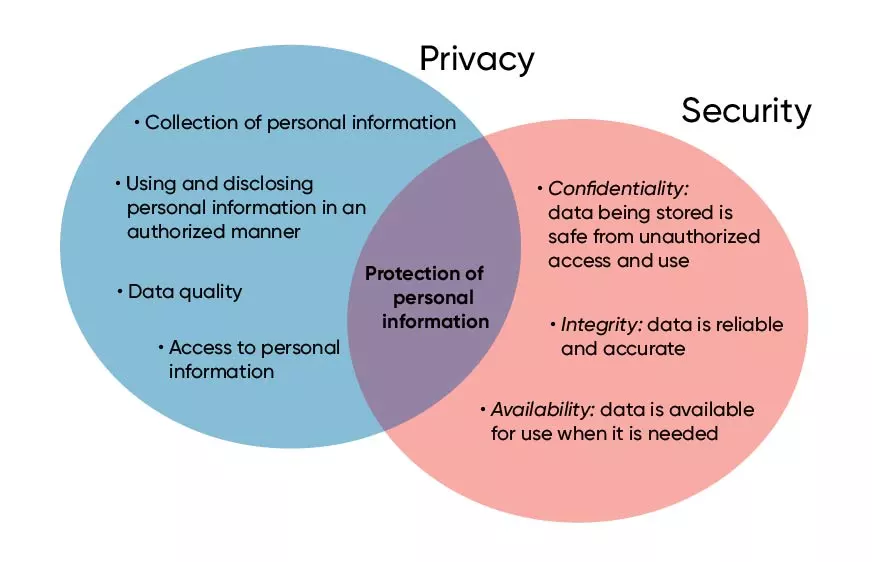

Data security rarely tops the priority list when an inspection team walks through the door, but it should. In social care, we handle some of the most sensitive personal data imaginable – from complex health conditions and safeguarding alerts to private financial records.
While a breach can devastate a company’s reputation, the reality is that most data issues during audits don’t stem from “poor practice.” Instead, they come from well-meaning staff trying to be helpful. Under the pressure of an inspection, it is easy to overshare. Developing a strategy for CQC audit intelligence means moving beyond “helping” and toward structured, secure data sharing.
Common Pitfalls: Helping Beyond What’s Needed
Recent case studies brought into focus that small overlook in audit can breach UK GDPR breaches. Common risks included are below:
- The “All-Access” Error: Sharing an entire care plan when the auditor only requested a specific entry.
- Unauthorised Access: Staff members accessing records “just to check” a detail, even if it falls outside their normal permissions.
- Visual Breaches: MAR charts, whiteboards, or handover notes visible to unauthorised individuals
- Information Exposure: Allowing auditors direct access to digital systems, which can inadvertently expose unrelated data from other residents.
- Communication Lapses: Emailing evidence via unencrypted channels or accidentally hitting “send” to the wrong recipient.
These mentioned are not illegal acts, it is human reactions against pressure. Still, they will be counted as breaches and can impact CQC rating negatively concerning keeping records and governance.
What the Regulations Actually Expect
It is worth remembering that the CQC doesn’t expect perfection but they do expect control, clarity and accountability. Several of the Health and Social Care Regulations are directly relevant:
- Regulation 10 (Dignity and Respect) – includes treating personal information confidentially.
- Regulation 17 (Good Governance) – requires accurate, secure, well-managed records.
- Regulation 12 (Safe Care and Treatment) – covers safe handling of medicines information.
- Regulation 13 (Safeguarding) – includes protecting sensitive safeguarding details.
Moving Toward Controlled, Purposeful Sharing
Protecting the people we support starts with moving away from “panic mode” and toward a culture of data control. Given below are five steps which can support in protection of any service:
- Practice Data Minimisation: Share only what is strictly necessary. If an auditor needs to see medication compliance, show a specific MAR summary rather than the full resident file.
- Guide the Access: Never give an auditor your login or free movement across your database. Instead, use screen-sharing or generate specific reports to maintain boundaries.
- Edit with care: remove third-party names, unrelated details, and personal contact information as a standard practice
- Enforce a “Clear Desk” Environment: Small actions prevent accidental breaches. Open folders should always be closed, whiteboards can be turn against the wall, and always making sure to keep idle screens locked.
- Train your team: The team should be properly upskilled so that they have enough knowledge before jumping into the action, they should be trained to keep work confidential, and when to take action when there is confusion.
The Bottom Line
Good data protection isn’t about “panic training” the week before an inspection; it should be woven into the culture of your service.
Utilising CQC audit intelligence helps providers align their digital governance with regulatory expectations, protecting the fundamental rights of the people in your care. When your staff understand not just what to do but why it matters, they won’t feel restricted – they will feel empowered.
Is your team ready for their next audit? At InvictIQ, we help social care providers align their digital governance with CQC expectations. [Click here to learn more.]